
The following day we took a 20 minute taxi ride to the south east area of Beijing to visit the Temple of Heaven.
As you will recall yesterday was a holiday in China for the Qingming Festival, also known as Tomb Sweeping Day, a 2,500 year old traditional Chinese festival dedicated to honoring and making ritual offerings to their ancestors and so the whole weekend was going to be busy with families enjoying a trip out and the coming of spring.
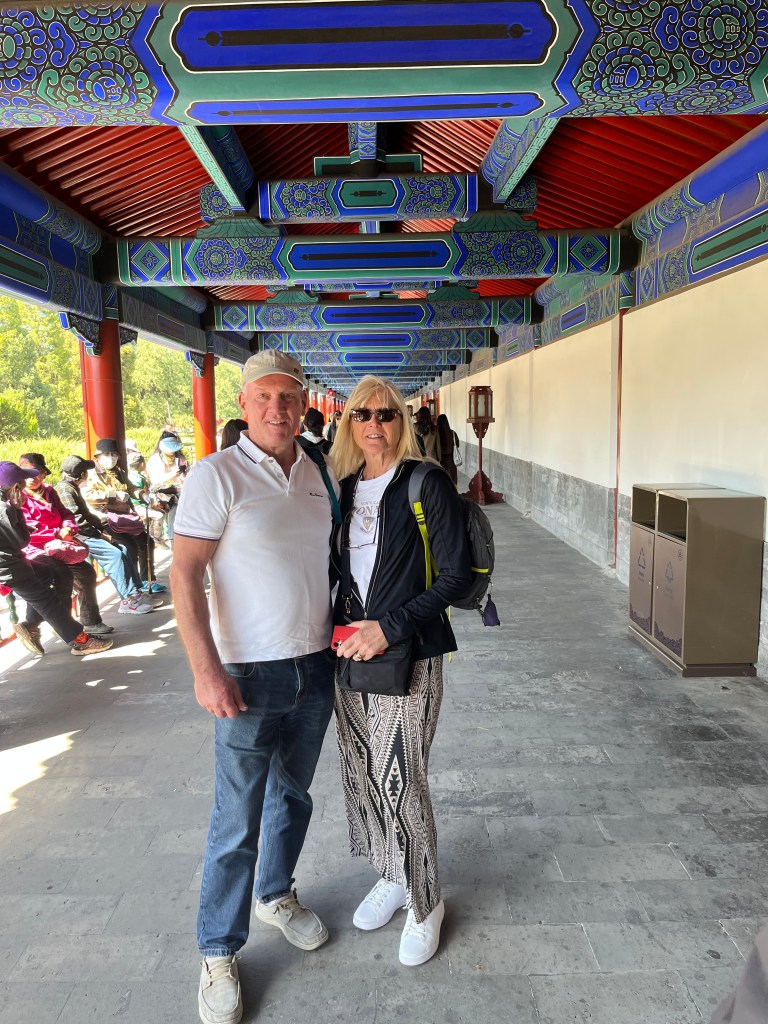
Entering the park, (free for seniors as are many places in China), we strolled along the Long Corridor, this beautifully crafted walkway stretches 350 meters, curving gently through the park. At 5 meters wide, it offers ample space for a leisurely walk. Its intricate decorations are not only visually stunning but also a testament to the artistry of ancient Chinese architecture.
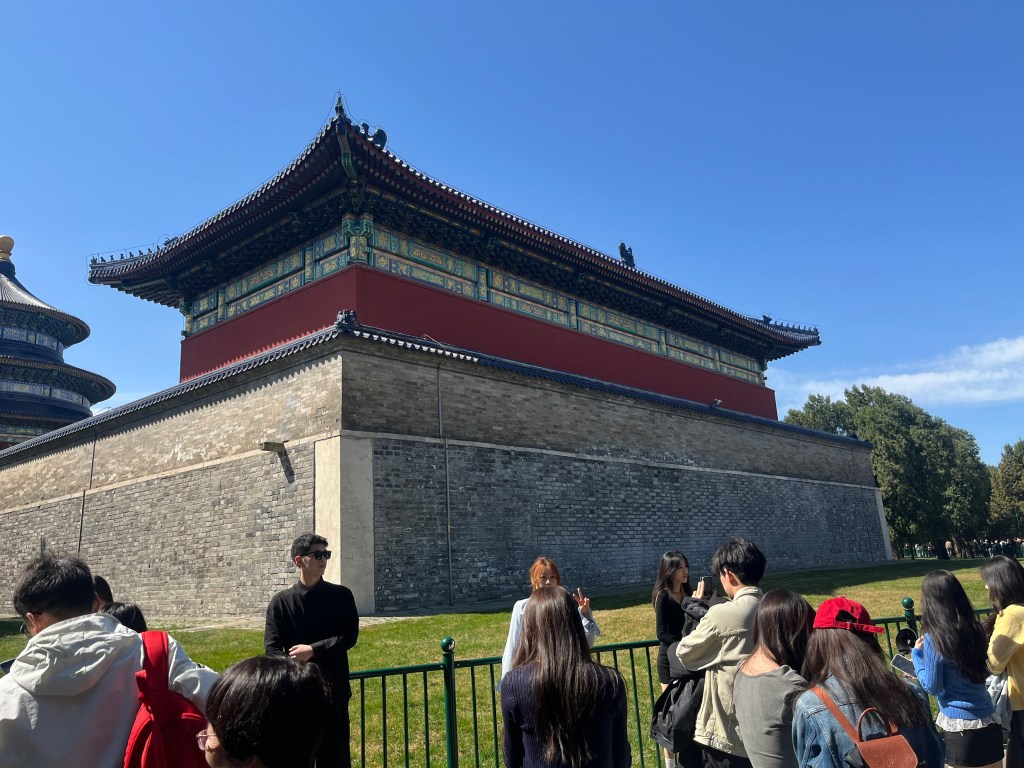
The Temple of Heaven was used as a site by emperors of the Ming and Qing dynasties to offer sacrifice to heaven and pray for bumper harvests. The northern part of the Temple of Heaven is semicircular while the southern part is square, a pattern representing the ancient belief that “Heaven is round and Earth square”. Surrounded by a double wall, and covering an area of 273 hectares, it is divided into the Inner Temple and the Outer Temple by the double wall.
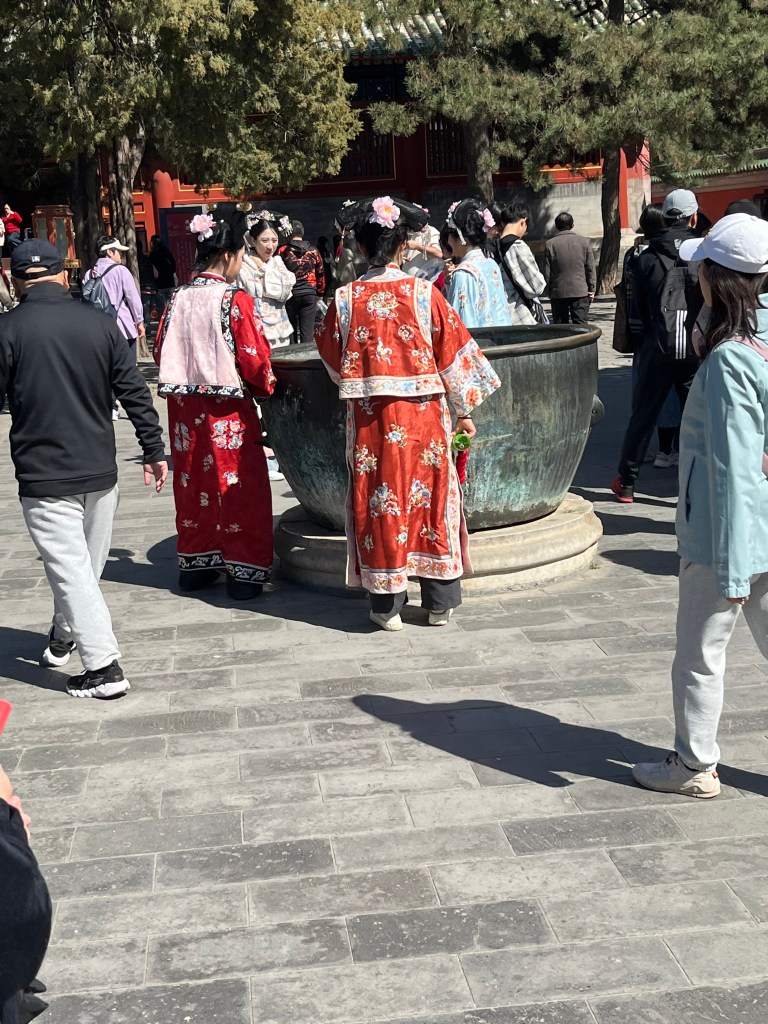
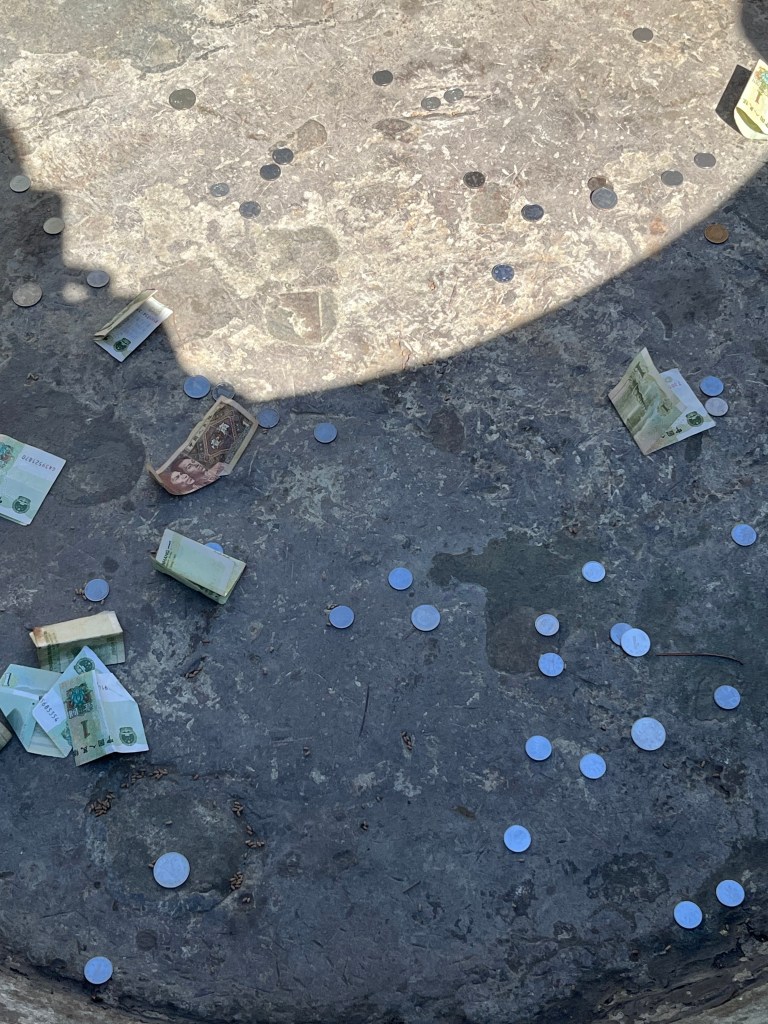
May local ladies dressed in traditional clothes and putting a few yen into the pot for good luck.
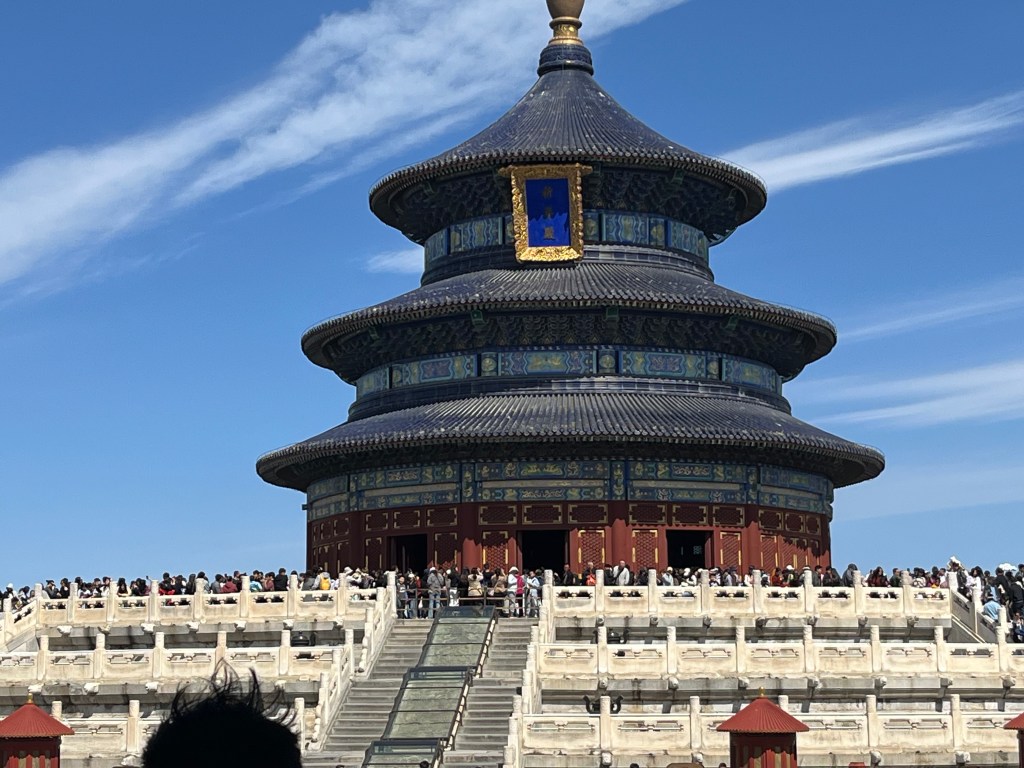
The Hall of Prayer for Good Harvests, is the most iconic structure of the Temple of Heaven. This magnificent building is known for its unique, circular design and that no nails were used in its construction. Built in 1420, the hall symbolizes the harmony between heaven and earth, which was central to the emperor’s role as the intermediary between the two realms.
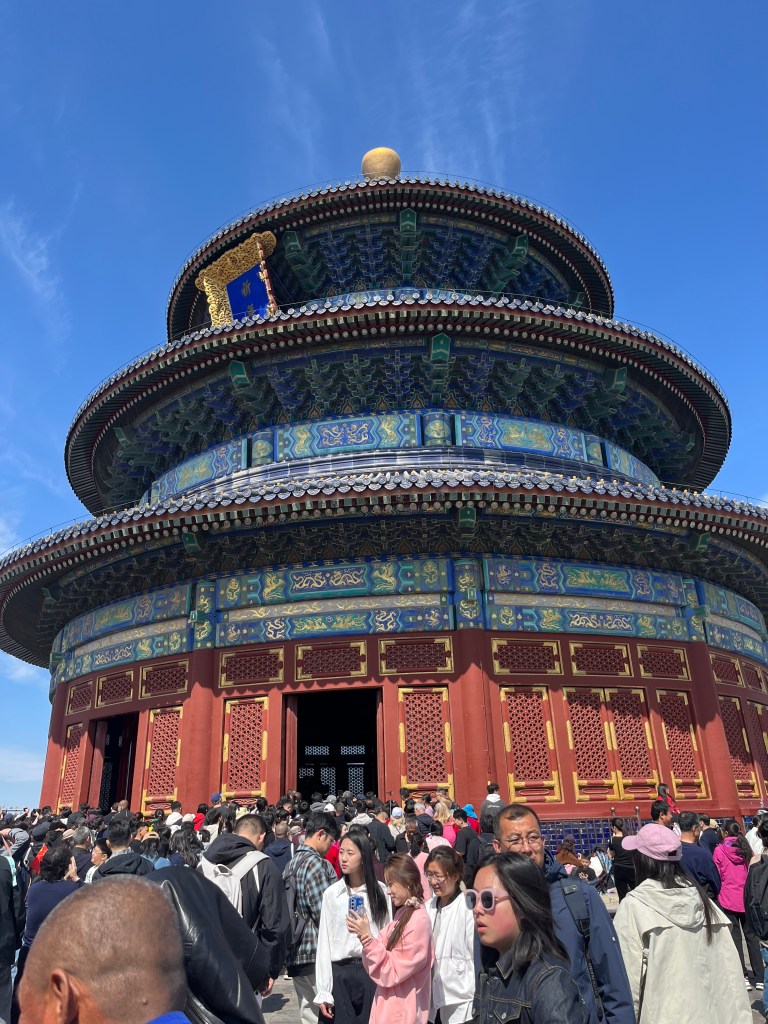
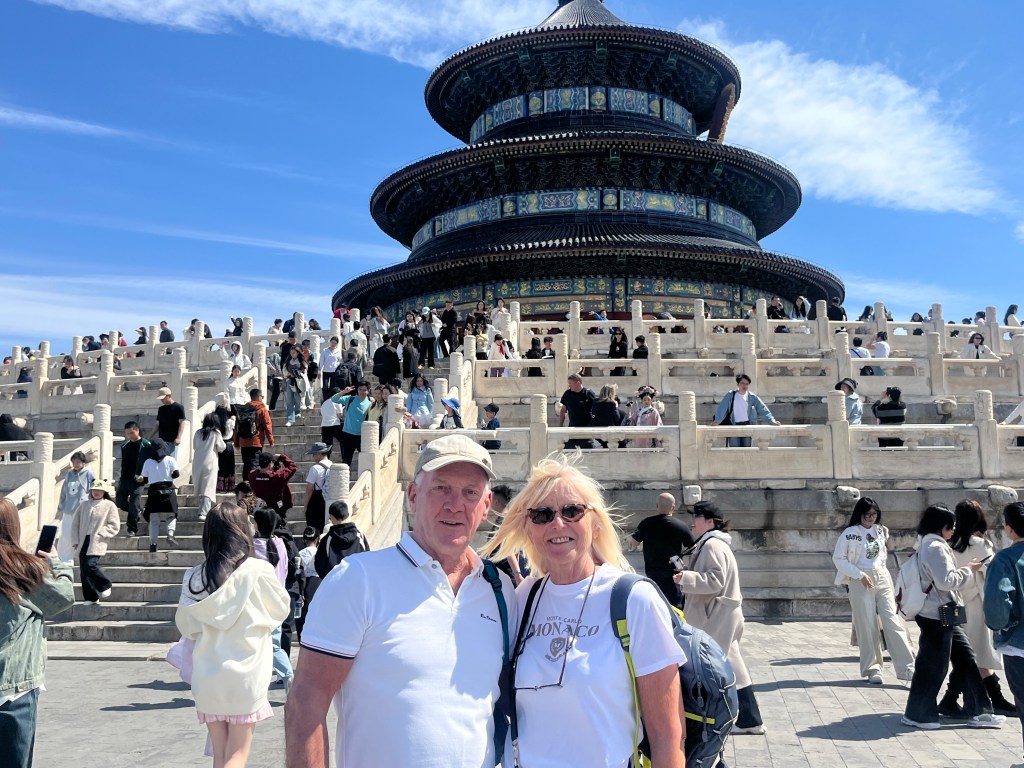
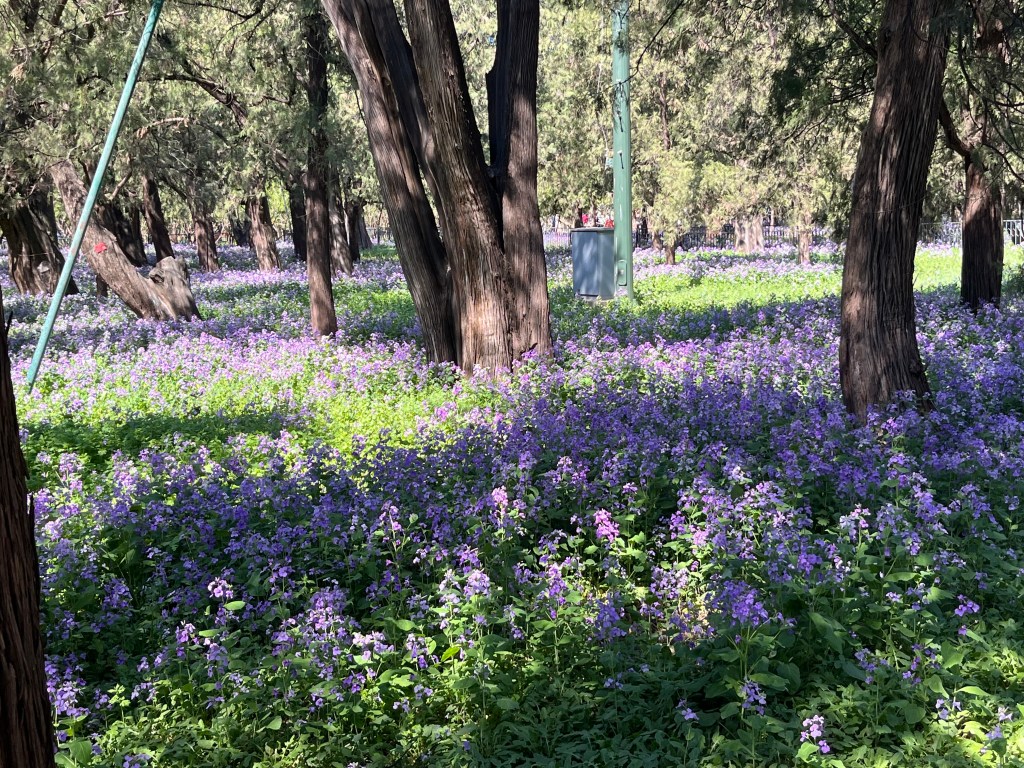
The whole park was very peaceful to wander through once we got past the crowds at the temple.
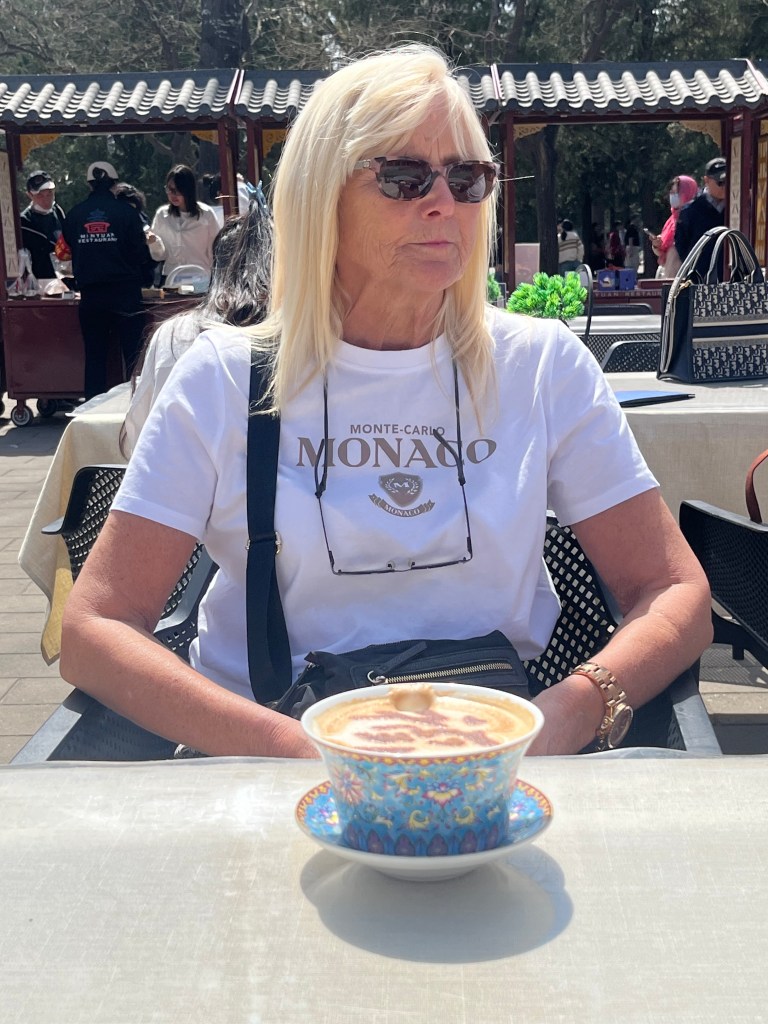
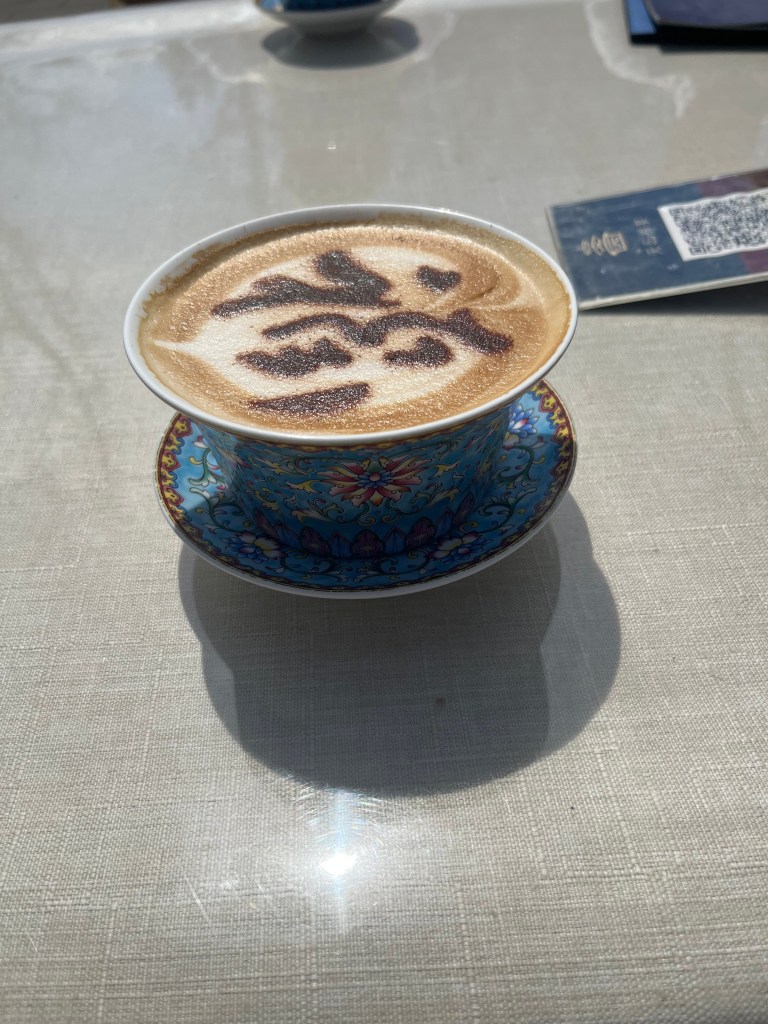
After a couple of hours it was time to take a rest with a cup of coffee.
The second part of the day was to be a visit to the Summer Palace.
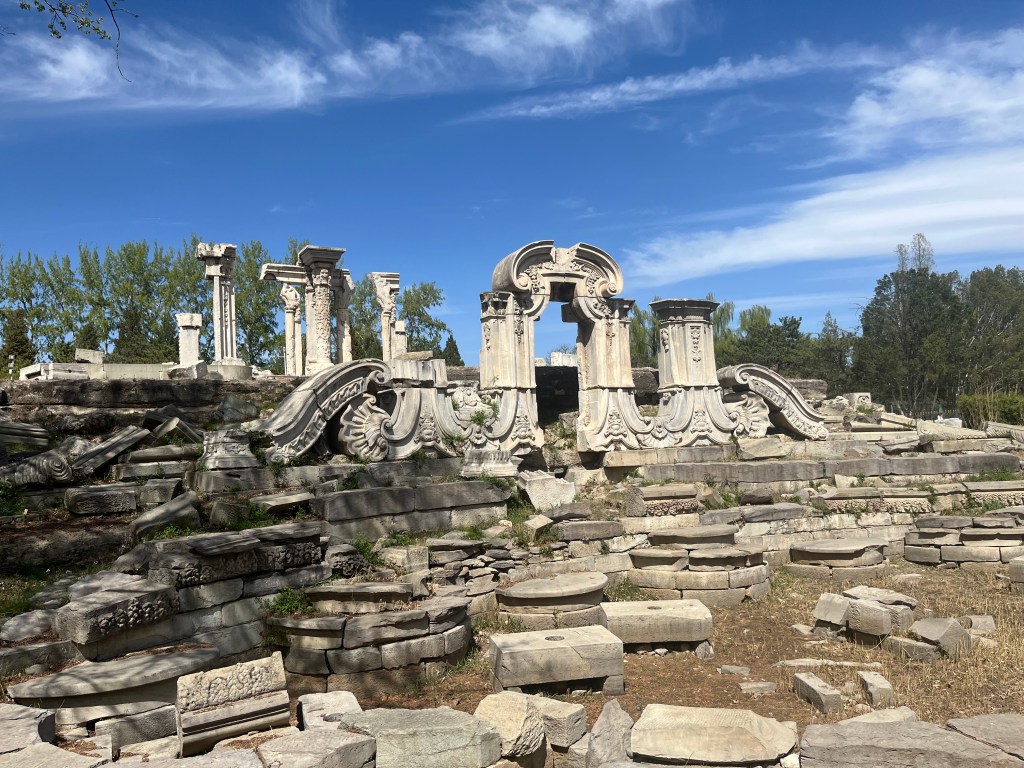
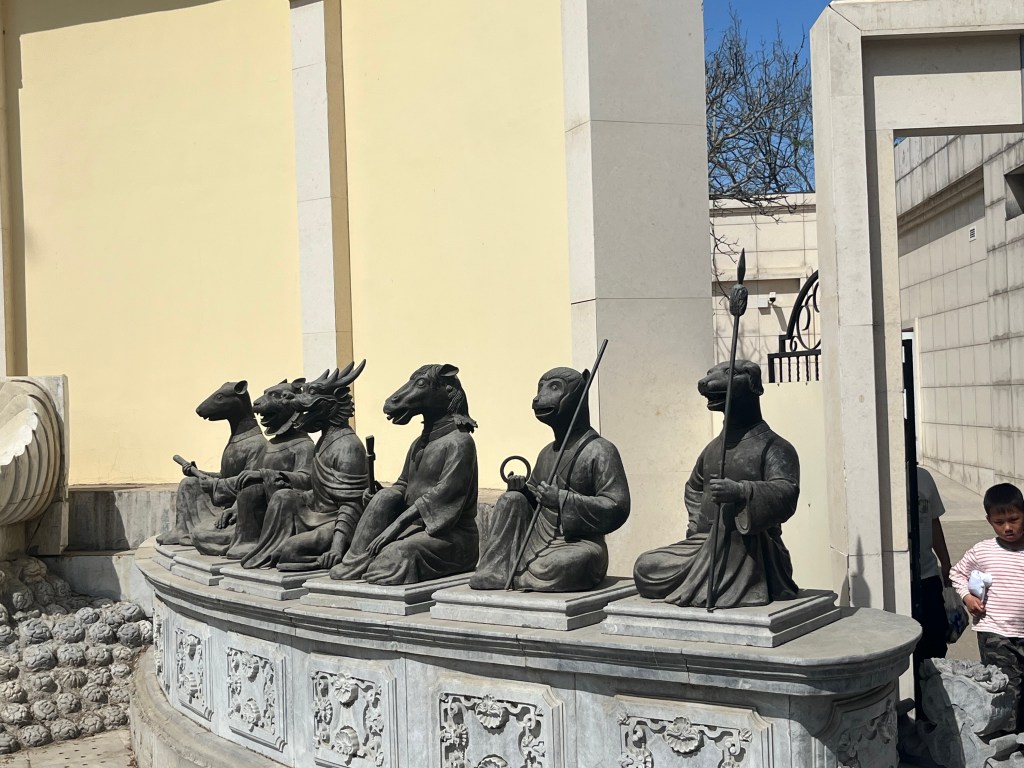
Here I must confess to an error in going to the wrong entrance and having to walk a mile or so through The Old Summer Palace which was built in 1707 and served as a residence for the emperor. It is considered the second Forbidden City. However, it was destroyed by French and British soldiers in 1860 and has never been rebuilt.
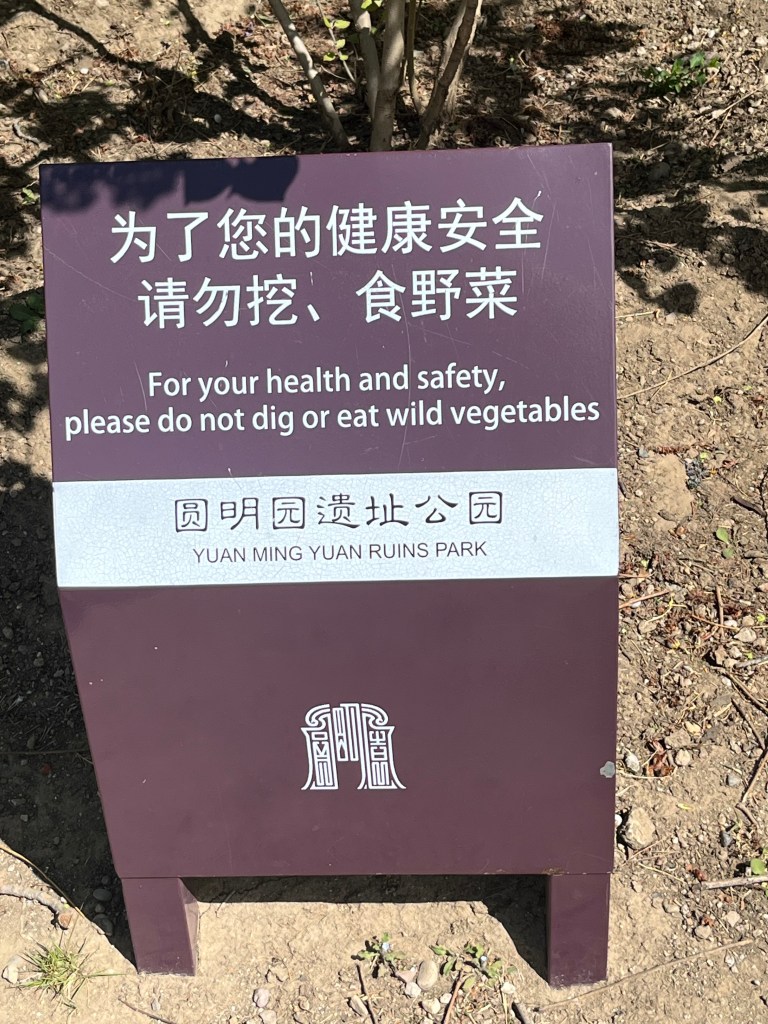
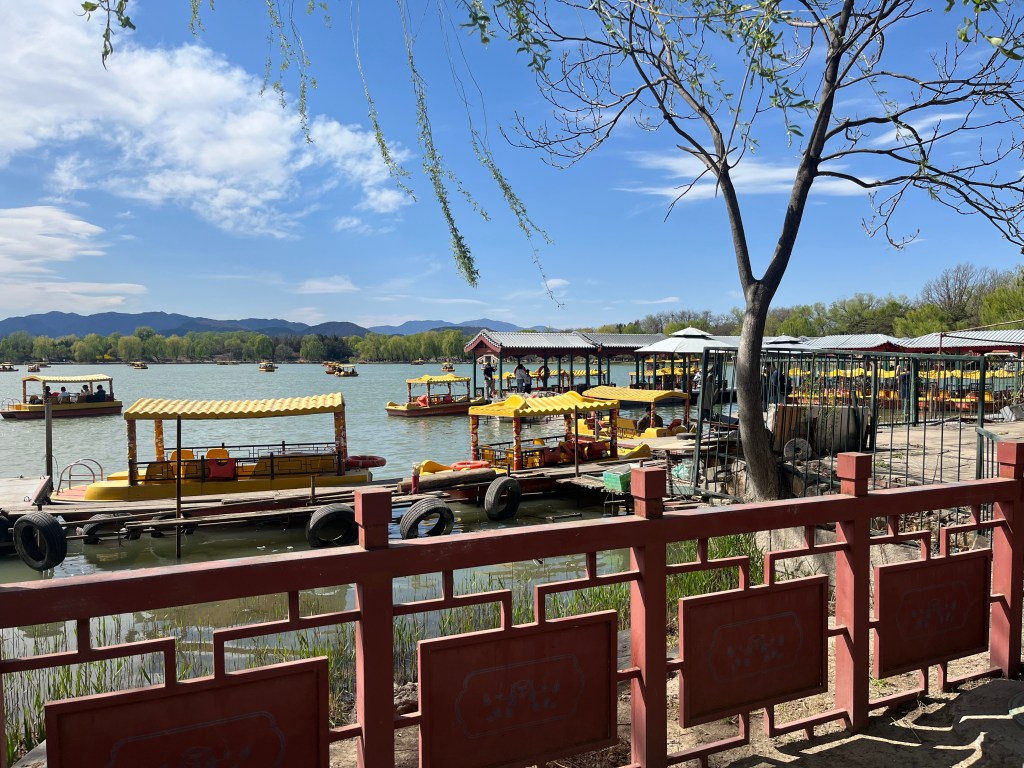
Anyway after a pleasant stroll we reached the Summer Palace which is a well preserved imperial garden and one of the largest of its kind still in existence in China today.
In 1750, Emperor Qianlong (who reigned from 1735 to 1796) ordered the rebuilding of the Garden of Clear Ripples (the original name of the Summer Palace) to celebrate his mother’s 60th birthday.
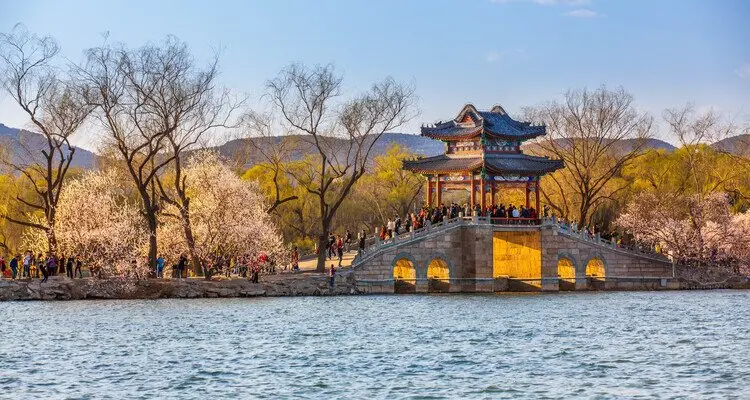
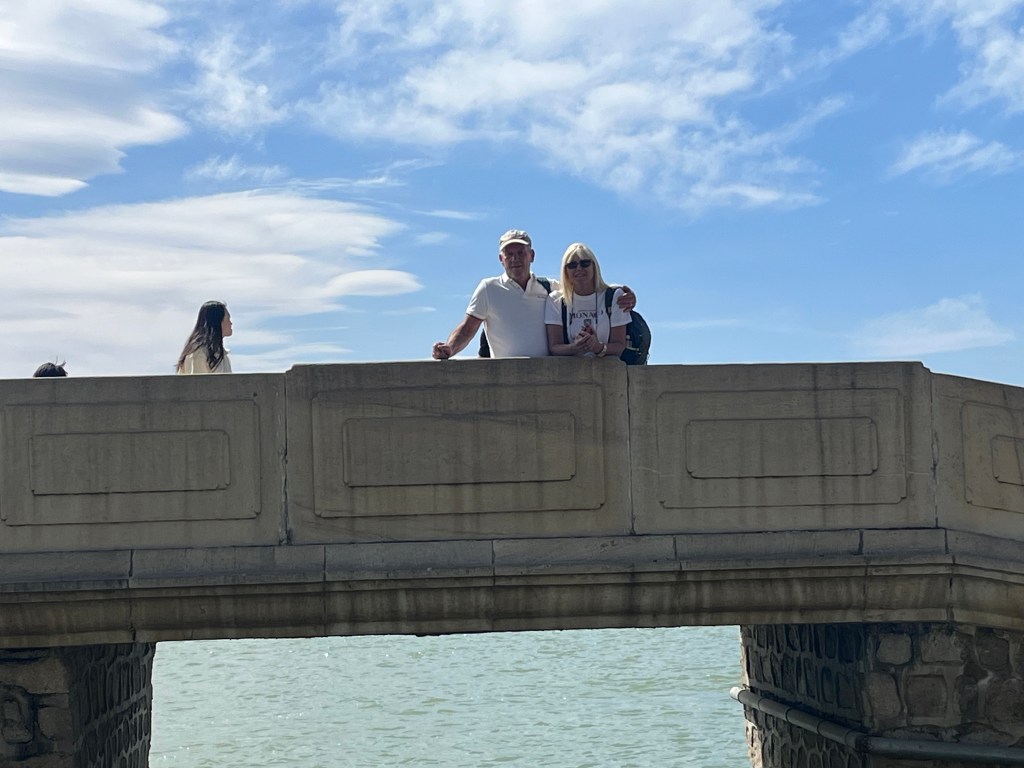
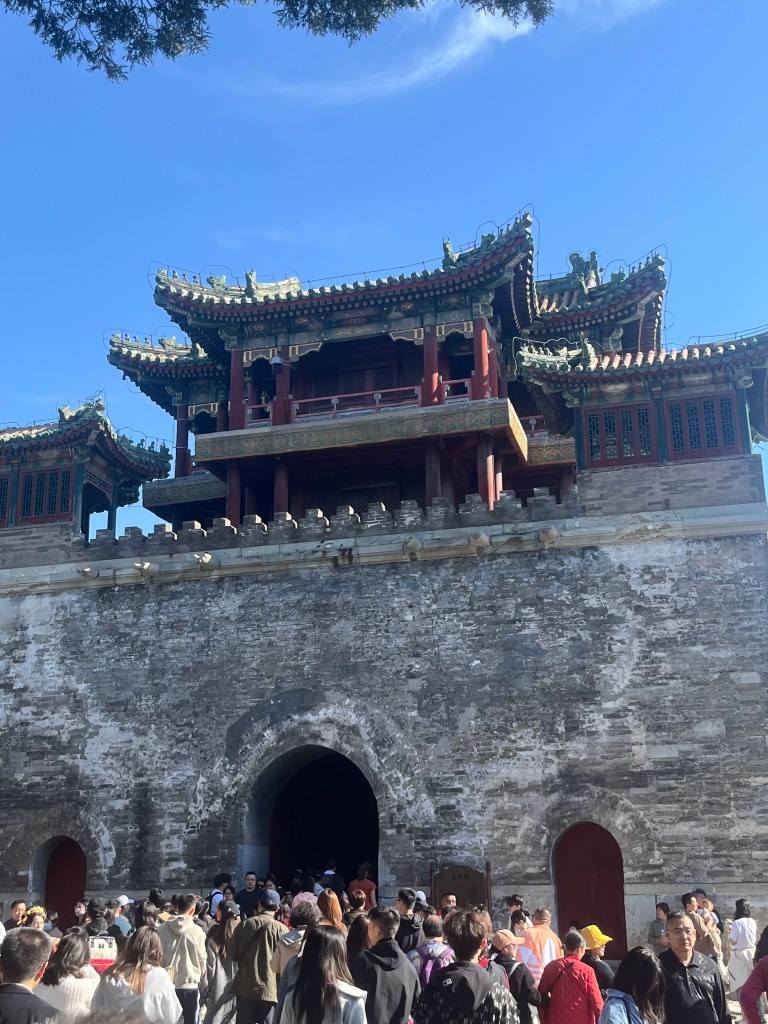
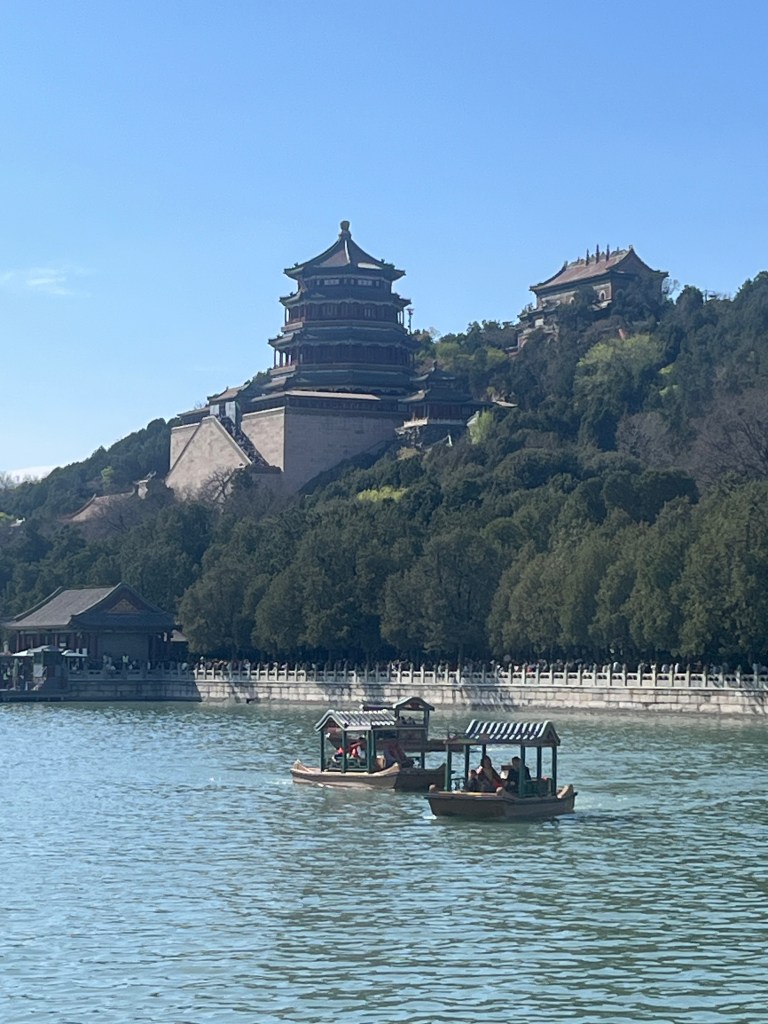
We decided not to climb up to the top of pagoda get a better view!
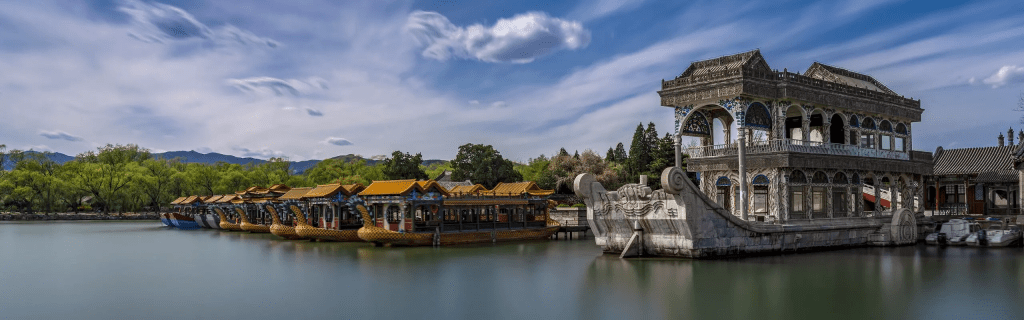
This photo courtesy of “China Highlights”
The Stone Boat, also known as the Marble Boat or Qingyanfang, is a lakeside pavilion located on Kunming Lake, near the western end of the lake. The boat was first built in 1755 and was later rebuilt by Empress Cixi in 1893, using funds meant for the navy.
On the way back to our hotel in central Beijing we stopped off at the olympic park, the setting of the 2008 summer olympics and home to the iconic birds nest stadium, ( I wonder what the structural steel contractor thought when he first saw the drawings!) and the water cube swimming complex.
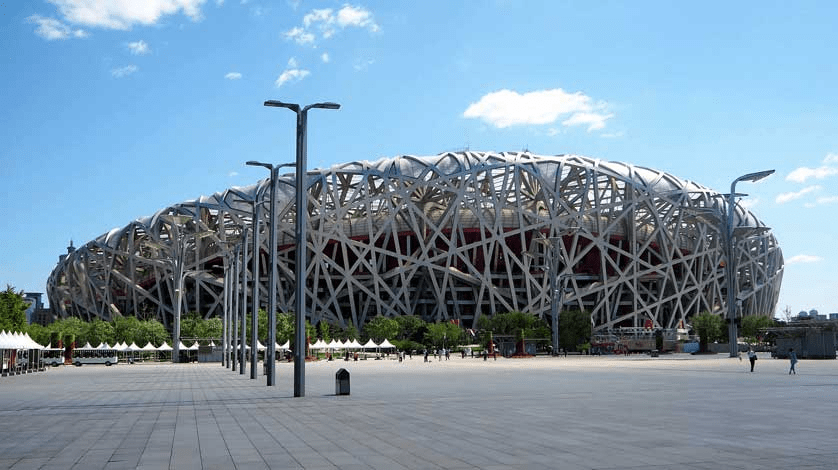
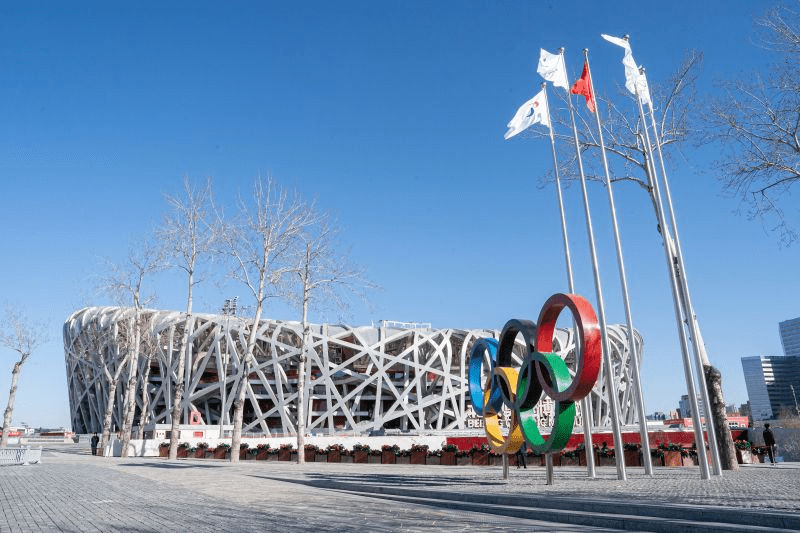
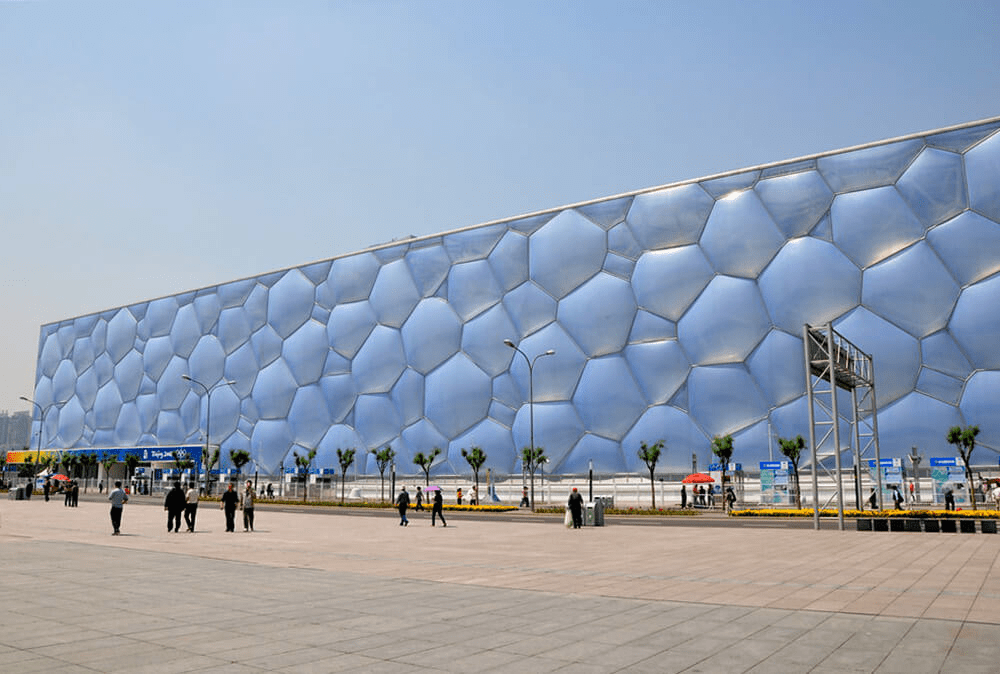
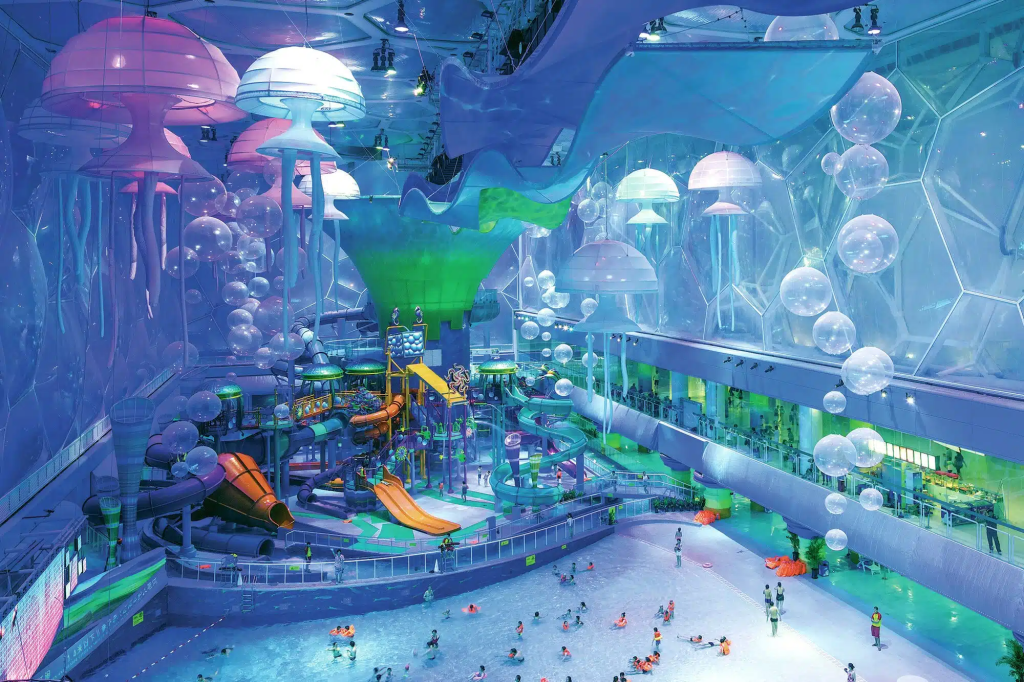
The water cube has two 50m olympic size pools, a diving pool and a stunning fun pool with many slides and water features.
And so that ended our time in Beijing and over a beer in the evening we recounted our days in this remarkable city full of the ancient and historic side of China and looked forward to our next stop in Xi’An, home of the Terracotta Warriors.
See you all there later!
TTFN
Bibbley
To be notified of future posts please subscribe below.

 Uncle Bob's Scenic Tours
loved Beijing, so pleased that you do this blog as it is very easy to forget bits
thank you Bob
LikeLiked by 1 person